Today, technology is developing at a speed far exceeding our imagination, profoundly transforming our ways of living and work. In the face of this wave of changes, we must reflect on how education should respond, and what qualities we have to cultivate in our students to prepare them for the challenges. I believe, students should possess high self-esteem, good interpersonal skills, strong sense of commitment, and a global perspective, conducive to contributing to their school, family, society, and also the nation.
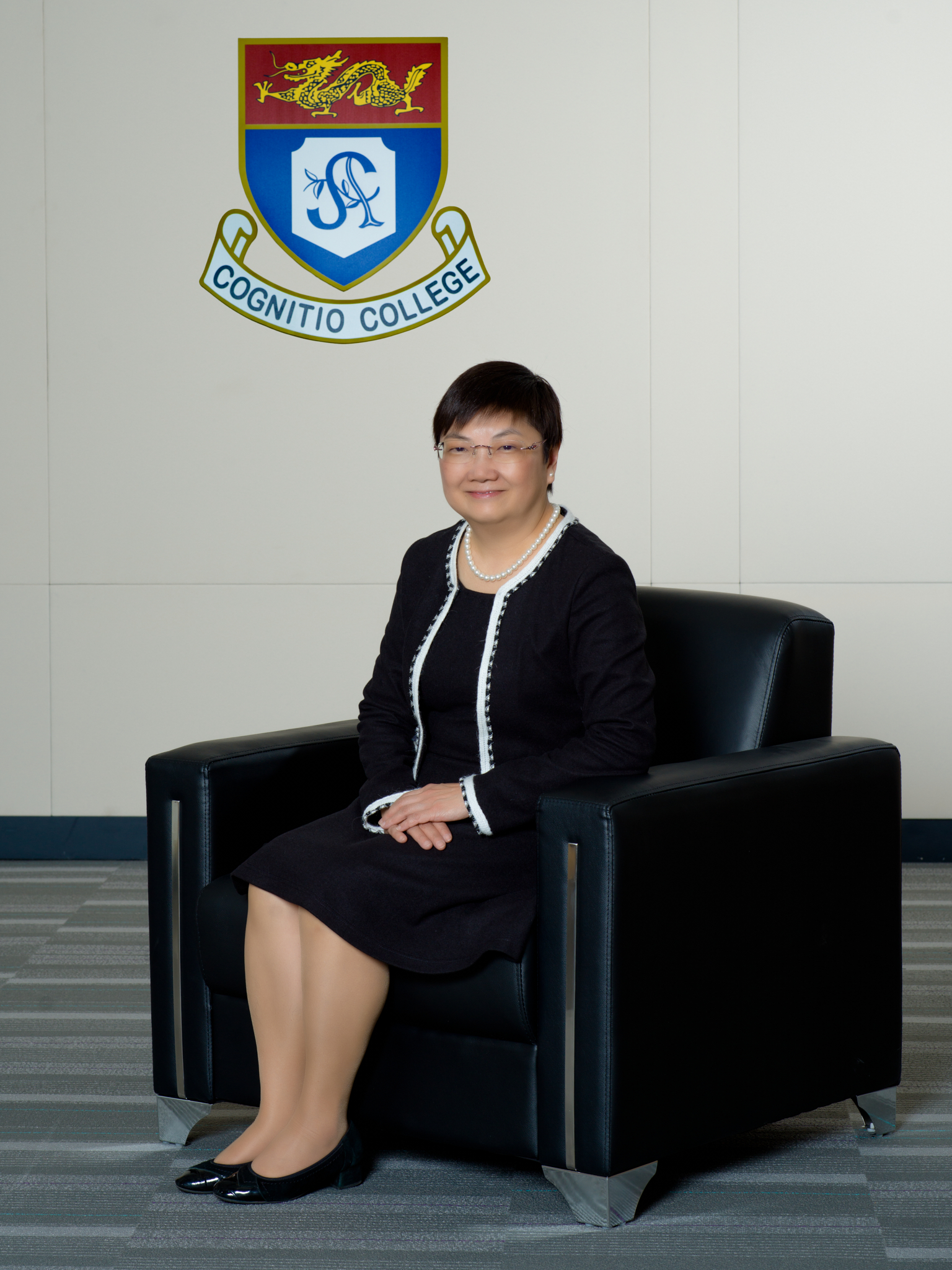
In this new era, artificial intelligence can help manage complicated tasks and large volumes of data, but it cannot replace human innovations and creativity. Therefore, our learning methods must adapt to these changes. Students should not only passively receive information, but should learn to collect, analyze, integrate, and apply knowledge to solve complex problems. Additionally, they should develop strong generic skills, particularly critical thinking and creativity, to excel in various tasks.
To enhance students' active learning, confidence, and creativity, we have established the KaiTak@KowloonCity Study Centre this year. This initiative not only showcases students' achievements across language, history, culture, technology, and arts but also serves as a diverse exhibition space offering interactive exhibitions and immersive experiences. It allows students to explore Kai Tak in Kowloon City from multiple perspectives and trace the historical roots of the San Po Kong campus.
We aspire for students to possess humanistic qualities and reflect on history. The historical relics and cultural heritage of Kowloon City provide valuable interdisciplinary study material that enriches the school curriculum and offers students a precious learning experience. We present both the past of Kowloon City and illustrate how Kai Tak has transformed into a vibrant hub that integrates housing, commerce, leisure, sports, tourism, landmarks, and infrastructure. Through cross-curricular studies, students can not only construct knowledge but also learn to appreciate and be grateful for the efforts of various individuals who contribute to Hong Kong’s development. As we enjoy the fruits of our predecessors’ efforts, we hope students will also contemplate how they can contribute to society and the nation in the future, leaving their names in the records.
Regarding information technology literacy, we have observed that an essential ability in the era of artificial intelligence is “fact-checking”, which is crucial for students when gathering information online. With an abundance of information available, we must not accept everything at face value; instead, we need to examine and verify information critically. We must also uphold positive values, approach differing opinions with respect, and use information in an ethical and responsible manner. In doing so, we can leverage advanced technology to enhance learning to become informed and responsible citizens in a knowledge-based society.
Finally, I hope that every student can become a trustworthy citizen with a global perspective, who care about international affairs, understand the connections and interdependence among different cultures, as well as actively participate in international exchanges and collaborations. At the same time, we must pay attention to the global challenges we face, such as climate change, public health, and social inequality. By addressing these issues through our actions and efforts, let’s work together to build a better world!
Au-Yeung Wai Yin (Ms.)
Supervisor
Cognitio College (Kowloon)
founded 1962
ABOUT CCK
Welcome to CCK
6 Muk Hung Street,
Kowloon City, Kowloon
Tel: (852) 2323 1741
Fax: (852) 2325 5465
cckmail@cckln.edu.hk
Facebook:
文理書院(九龍)
Instagram:
cognitiocck
Copyright © 2022 Cognitio College (Kowloon). All rights reserved.